




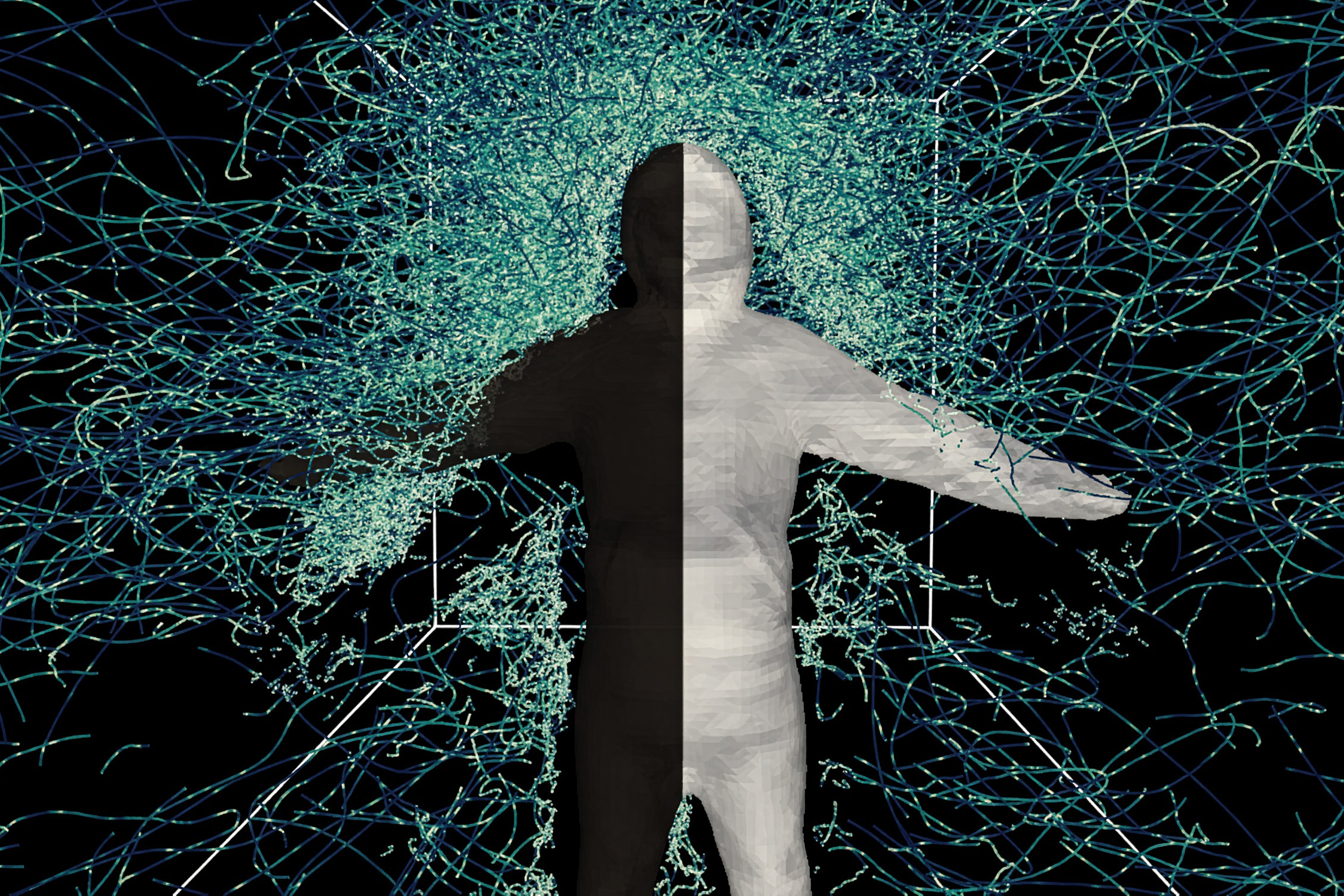




MIT engineers design structures that compute with heat MIT researchers have designed silicon structures that can perform calculations in an electronic device using excess heat instead of electricity. These tiny structures could someday enable more energy-efficient computation.In this computing method, input data are encoded as a set of ...
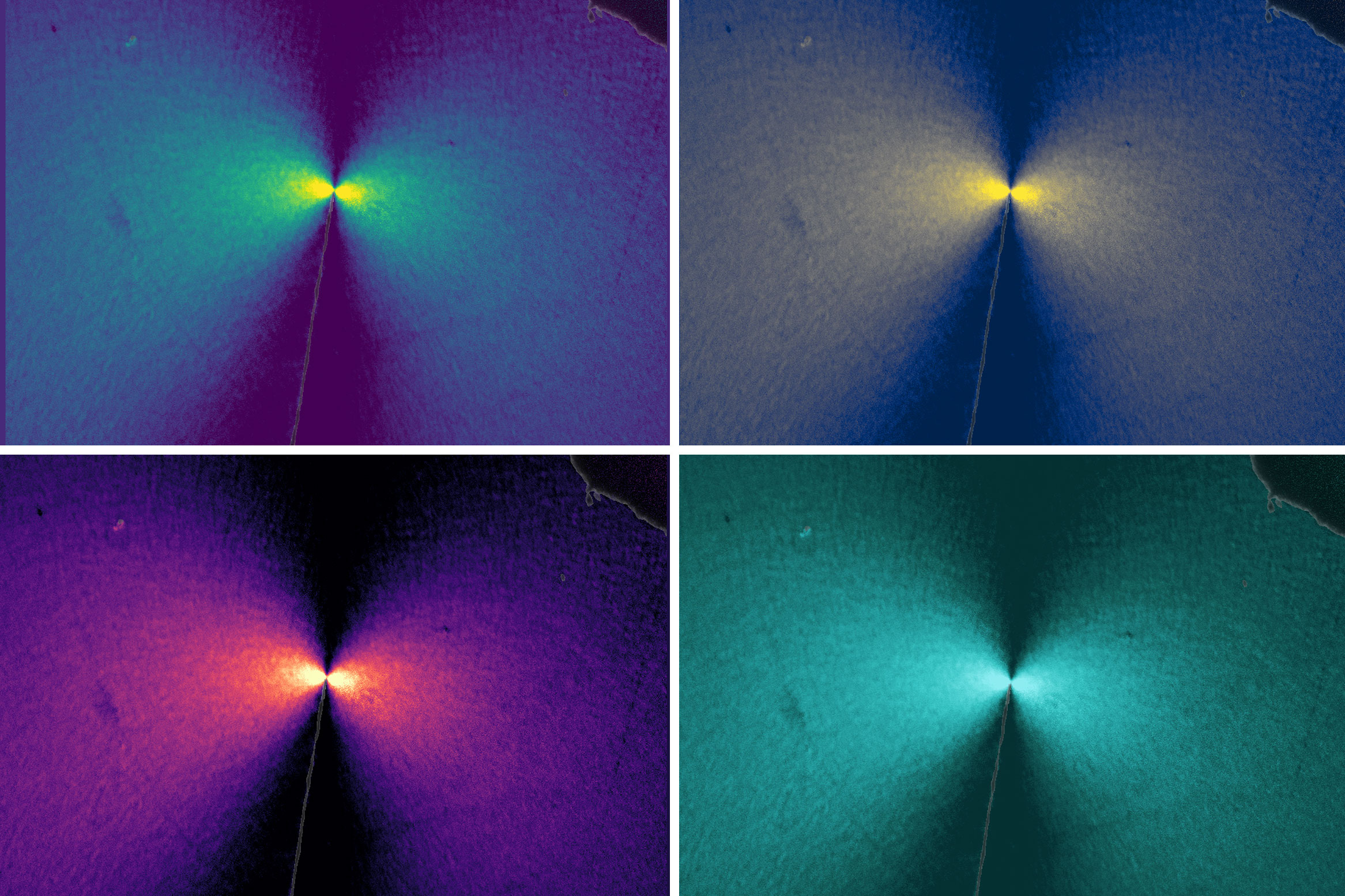
Study: The infant universe’s “primordial soup” was actually soupy In its first moments, the infant universe was a trillion-degree-hot soup of quarks and gluons. These elementary particles zinged around at light speed, creating a “quark-gluon plasma” that lasted for only a few millionths of a second. The primordial goo ...
Cancer’s secret safety net Researchers in Class of 1942 Professor of Chemistry Matthew D. Shoulders’ lab have uncovered a sinister hidden mechanism that can allow cancer cells to survive (and, in some cases, thrive) even when hit with powerful drugs. The secret lies in a cellular ...
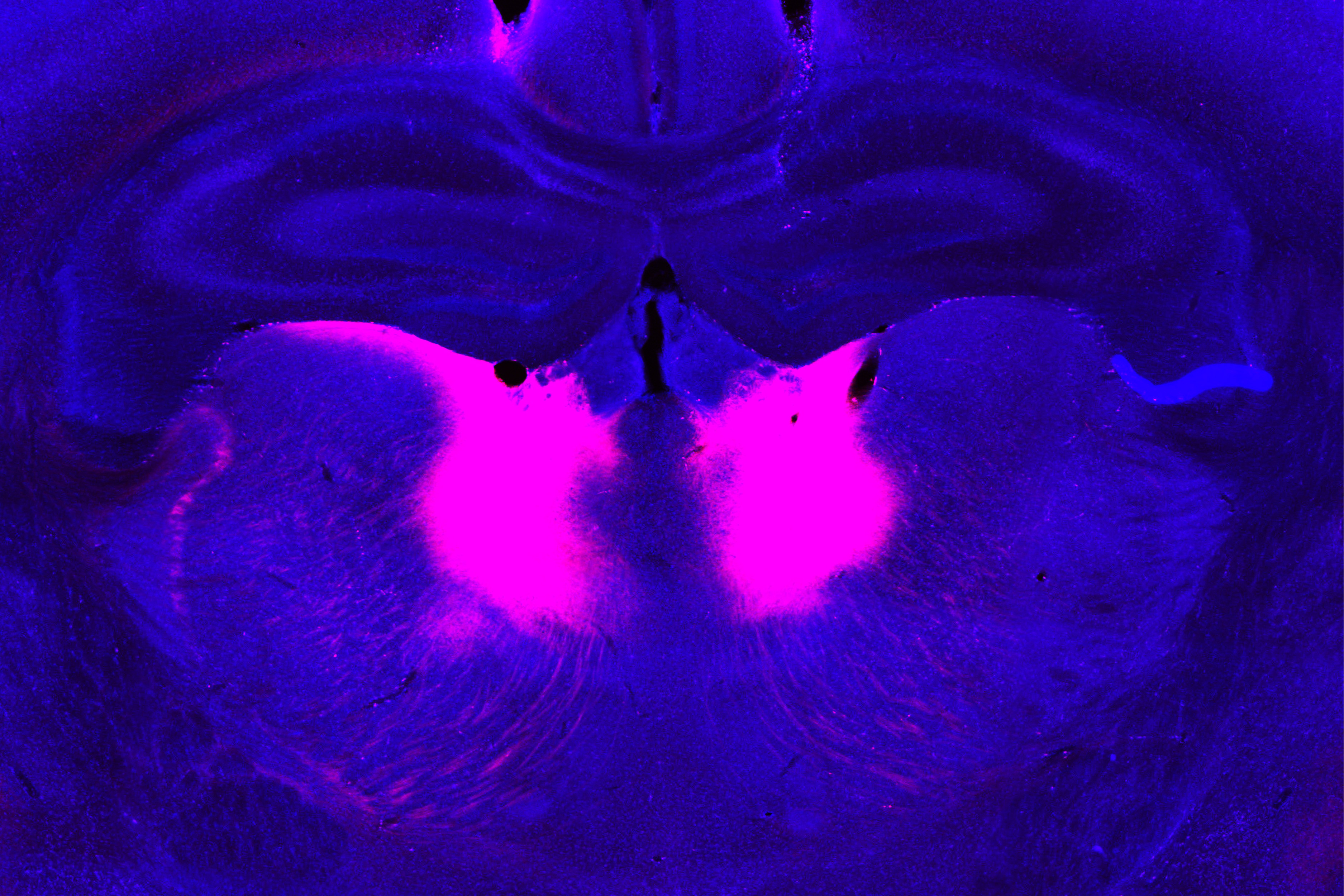
Biology-based brain model matches animals in learning, enables new discovery A new computational model of the brain based closely on its biology and physiology not only learned a simple visual category learning task exactly as well as lab animals, but even enabled the discovery of counterintuitive activity by a group ...
Why it’s critical to move beyond overly aggregated machine-learning metrics MIT researchers have identified significant examples of machine-learning model failure when those models are applied to data other than what they were trained on, raising questions about the need to test whenever a model is deployed in a new setting.“We ...
To flexibly organize thought, the brain makes use of space Our thoughts are specified by our knowledge and plans, yet our cognition can also be fast and flexible in handling new information. How does the well-controlled and yet highly nimble nature of cognition emerge from the brain’s anatomy of billions ...
A new way to “paint with light” to create radiant, color-changing items Gemstones like precious opal are beautiful to look at and deceivingly complex. As you look at such gems from different angles, you’ll see a variety of tints glisten, causing you to question what color the rock actually is. It’s iridescent ...
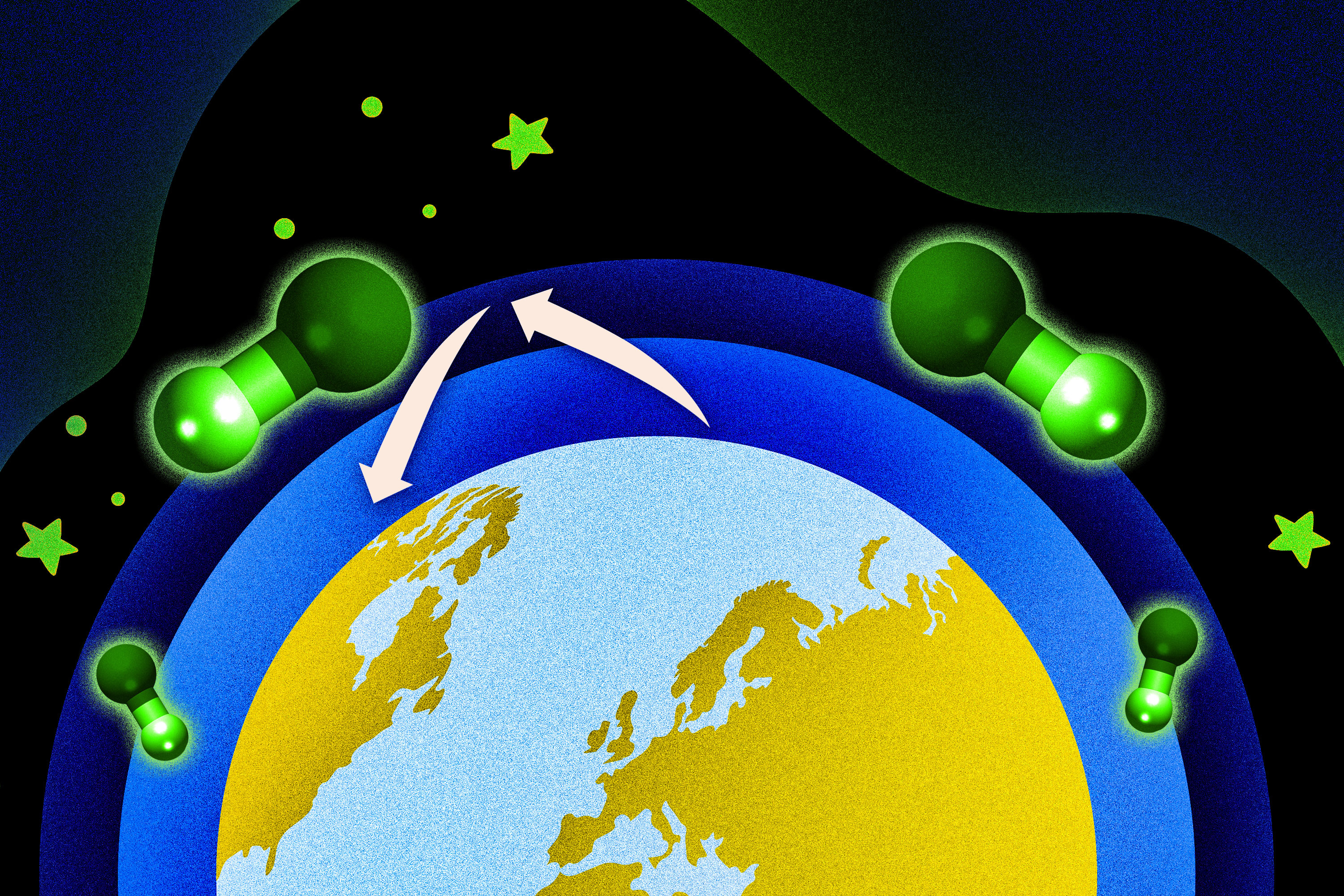
Polar weather on Jupiter and Saturn hints at the planets’ interior details Over the years, passing spacecraft have observed mystifying weather patterns at the poles of Jupiter and Saturn. The two planets host very different types of polar vortices, which are huge atmospheric whirlpools that rotate over a planet’s polar region. On ...
How collective memory of the Rwandan genocide was preserved The 1994 genocide in Rwanda took place over a little more than three months, during which militias representing the Hutu ethnic group conducted a mass murder of members of the Tutsi ethnic group along with some politically moderate members of the ...
Efficient cooling method could enable chip-based trapped-ion quantum computers Quantum computers could rapidly solve complex problems that would take the most powerful classical supercomputers decades to unravel. But they’ll need to be large and stable enough to efficiently perform operations. To meet this challenge, researchers at MIT and elsewhere ...
At MIT, a continued commitment to understanding intelligence The MIT Siegel Family Quest for Intelligence (SQI), a research unit in the MIT Schwarzman College of Computing, brings together researchers from across MIT who combine their diverse expertise to understand intelligence through tightly coupled scientific inquiry and rigorous engineering. ...
Chemists determine the structure of the fuzzy coat that surrounds Tau proteins One of the hallmarks of Alzheimer’s disease is the clumping of proteins called Tau, which form tangled fibrils in the brain. The more severe the clumping, the more advanced the disease is.The Tau protein, which has also been linked to ...
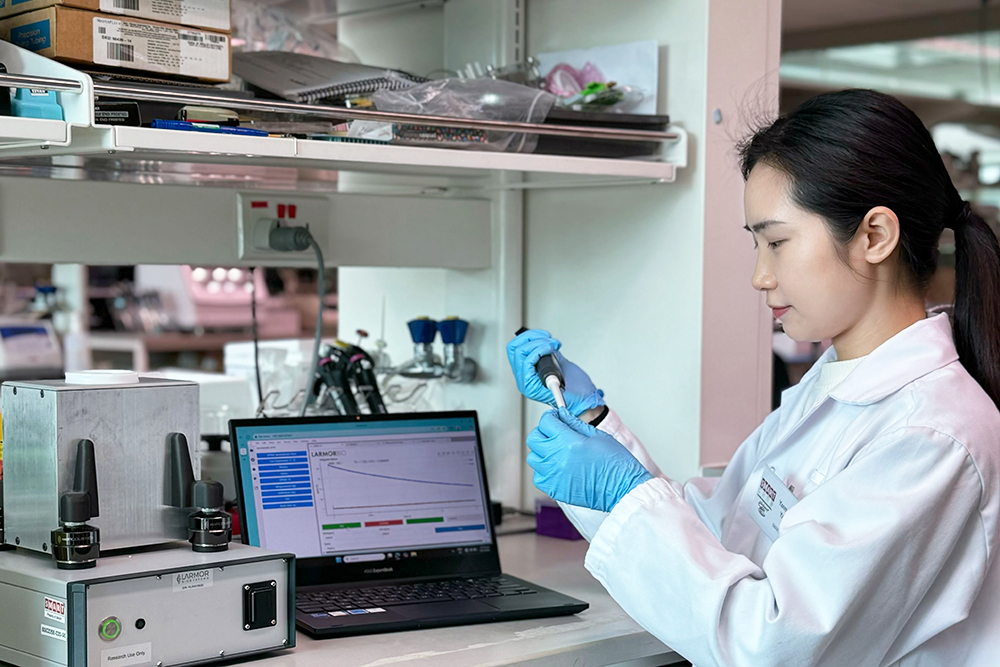
A protein found in the GI tract can neutralize many bacteria The mucosal surfaces that line the body are embedded with defensive molecules that help keep microbes from causing inflammation and infections. Among these molecules are lectins — proteins that recognize microbes and other cells by binding to sugars found on ...
Understanding ammonia energy’s tradeoffs around the world Many people are optimistic about ammonia’s potential as an energy source and carrier of hydrogen, and though large-scale adoption would require major changes to the way it is currently manufactured, ammonia does have a number of advantages. For one thing, ...
This new tool could tell us how consciousness works Consciousness is famously a “hard problem” of science: We don’t precisely know how the physical matter in our brains translates into thoughts, sensations, and feelings. But an emerging research tool called transcranial focused ultrasound may enable researchers to learn more ...
3 Questions: How AI could optimize the power grid Artificial intelligence has captured headlines recently for its rapidly growing energy demands, and particularly the surging electricity usage of data centers that enable the training and deployment of the latest generative AI models. But it’s not all bad news — some AI ...
Decoding the Arctic to predict winter weather Every autumn, as the Northern Hemisphere moves toward winter, Judah Cohen starts to piece together a complex atmospheric puzzle. Cohen, a research scientist in MIT’s Department of Civil and Environmental Engineering (CEE), has spent decades studying how conditions in the ...
Pills that communicate from the stomach could improve medication adherence In an advance that could help ensure people are taking their medication on schedule, MIT engineers have designed a pill that can report when it has been swallowed.The new reporting system, which can be incorporated into existing pill capsules, contains ...
Celebrating worm science For decades, scientists with big questions about biology have found answers in a tiny worm. That worm — a millimeter-long creature called Caenorhabditis elegans — has helped researchers uncover fundamental features of how cells and organisms work. The impact of ...
Fewer layovers, better-connected airports, more firm growth Waiting in an airport for a connecting flight is often tedious. A new study by MIT researchers shows it’s bad for business, too.Looking at air travel and multinational firm formation over a 30-year period, the researchers measured how much a ...
Load More